
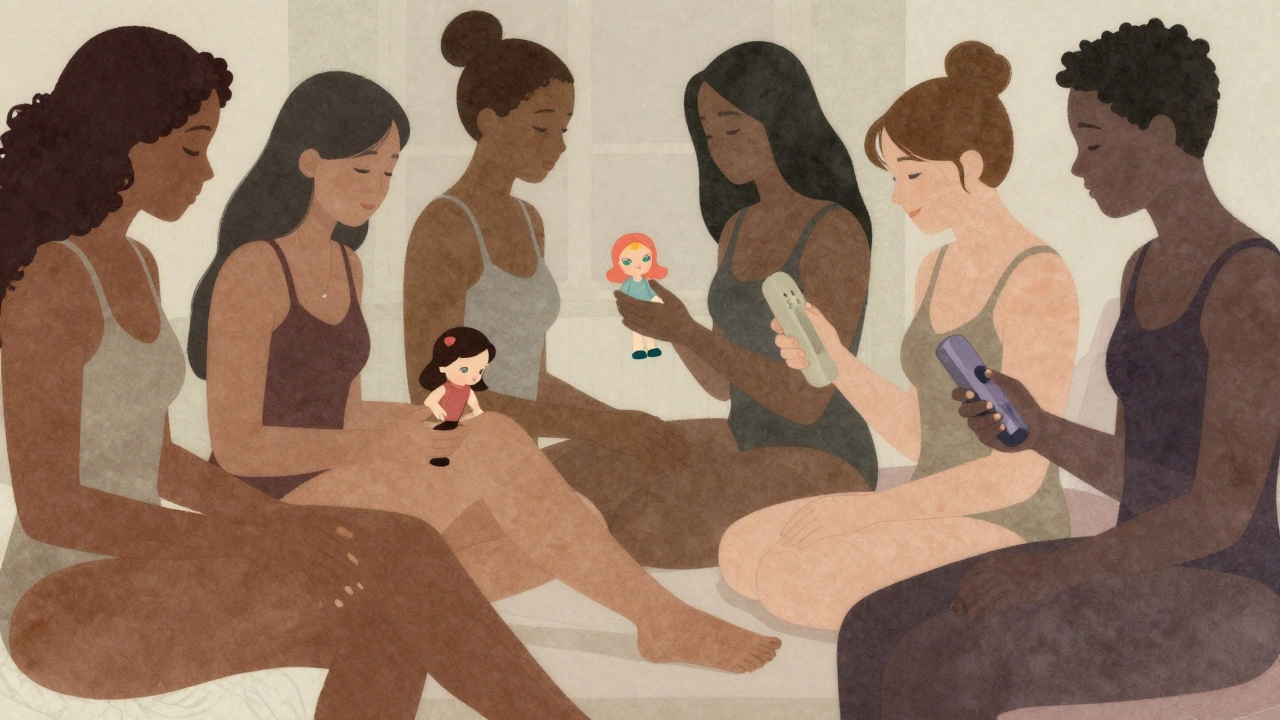
Lauren Clair didn’t set out to revolutionize the sex toy industry. She just wanted to buy a toy that didn’t feel like it was designed for someone else’s fantasy. After years of shopping through aisles of pink and purple products labeled for ‘women,’ she realized something was broken. Most toys were designed with rigid gender assumptions-masculine shapes for men, decorative, floral designs for women. Nothing felt inclusive. Nothing felt like it was made for people who didn’t fit neatly into binary boxes. That frustration led her to found Nikki Darling, a brand built on one simple idea: sex toys should be for people, not gender stereotypes.
Today, Nikki Darling’s products are used by non-binary folks, trans individuals, couples exploring new dynamics, and even cisgender people tired of outdated design norms. And while the conversation around inclusive pleasure might seem niche, it’s growing fast. In fact, a 2024 survey by the International Society for Sexual Medicine found that 68% of Gen Z and millennial consumers now prioritize gender-neutral design when buying intimate products. That shift isn’t just about politics-it’s about function, comfort, and real human experience. If you’ve ever felt alienated by how sex toys are marketed, you’re not alone. And you’re not the only one looking for something better. For those curious about other forms of adult connection, sex escort services offer a different kind of intimacy, though they operate in a completely different space than personal devices.
Why Gender-Neutral Design Matters More Than You Think
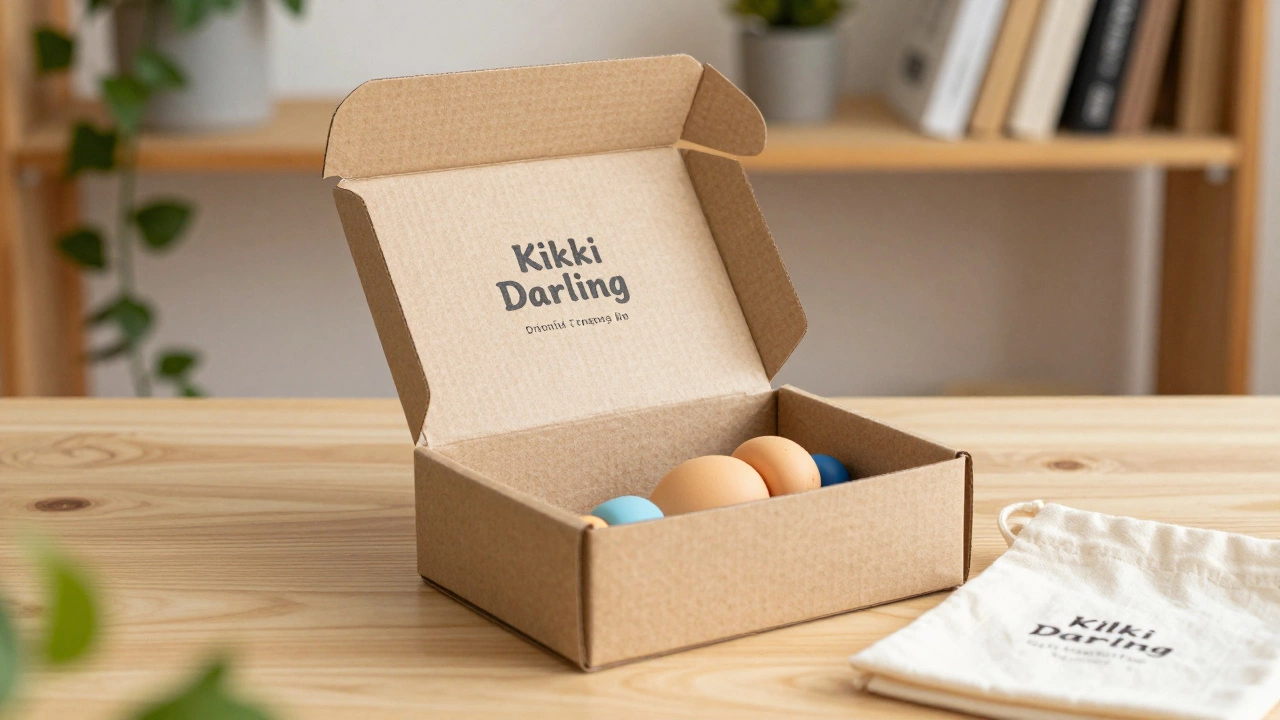
Gender-neutral doesn’t mean boring. It doesn’t mean removing color or personality. It means removing assumptions. A toy shaped like a smooth, rounded egg can be used by someone with a vulva, a prostate, or neither. It can be held comfortably in any hand, placed on any body, and used in any position. The material matters-medical-grade silicone, body-safe and hypoallergenic. The size matters-compact enough for travel, large enough for deep stimulation. The controls matter-simple buttons, quiet motors, app-free operation.
Lauren’s team worked with physical therapists, sex educators, and users across the gender spectrum to test prototypes. One user, a trans man who’d never found a toy that didn’t trigger dysphoria, told them: "It’s the first time I didn’t feel like I was using something meant for someone else." That feedback wasn’t just emotional-it was design gold. Nikki Darling’s flagship product, the Aura, has no gendered branding, no marketing slogans like "for her" or "for him." Just a name, a shape, and a promise: this is for you.
The Hidden Cost of Gendered Toys
Gendered sex toys aren’t just outdated-they’re expensive. Companies charge premium prices for "women’s" toys that are often smaller, less powerful, and packed with unnecessary frills. Meanwhile, "men’s" toys are marketed with aggressive imagery and exaggerated claims. The result? A market built on exploitation, not education. Many people end up buying multiple toys because none of them truly fit. Others give up entirely.
Studies show that people who feel seen by their intimate products report higher levels of sexual satisfaction and self-esteem. That’s not marketing fluff. It’s psychology. When a product reflects your identity, it removes a layer of shame. For people who’ve spent years hiding their desires, a neutral toy isn’t a luxury-it’s a form of self-acceptance.
How Nikki Darling Stands Out
Most brands talk about inclusivity. Nikki Darling lives it. Their packaging is plastic-free and uses unisex typography. Their website features real users-not models. Their customer service team is trained in LGBTQ+ competency. And they don’t sell "anal toys" or "clitoral stimulators" as separate categories. They sell toys by function: vibration, pressure, temperature, texture.
They also offer a free consultation service. You answer a few simple questions-what kind of sensation you like, what your body feels comfortable with, what you’re hoping to explore-and they recommend a product based on need, not gender. No assumptions. No guessing. Just guidance.
What’s Next for Inclusive Pleasure?
The movement isn’t stopping. New startups are emerging with similar missions. Some are focusing on adaptive designs for people with mobility challenges. Others are creating toys that sync with wearable tech to track arousal patterns without invasive sensors. The future of pleasure tech isn’t about gender-it’s about personalization.
Lauren sees a day when every pharmacy, sex shop, and online retailer carries gender-neutral options as standard-not as a "special collection." She’s already working with distributors in Canada, Germany, and Australia to make that a reality. And she’s not waiting for big brands to catch up. She’s building the infrastructure so smaller companies can follow.
Why This Isn’t Just About Toys
At its core, this is about dignity. It’s about giving people the right to explore pleasure without apology. It’s about saying: your body, your needs, your desires-they matter, no matter how you identify.
When you walk into a store and see a toy labeled "for women," it sends a message: you’re not welcome here unless you fit the mold. When you see a neutral design, it says: you belong. That’s powerful. And it’s changing how people see themselves-and each other.
Lauren doesn’t claim to have all the answers. But she’s asking the right questions. And for the first time in decades, the industry is finally listening.
One user sent her a note last month: "I bought the Aura on a whim. I didn’t think anyone would make something like this. I cried when I opened the box. Not because it was perfect-but because it didn’t try to be something it wasn’t." That’s the kind of impact that doesn’t show up in sales figures. But it’s the kind that lasts.
For those exploring digital intimacy, some turn to remote experiences. An escort in videochiamata can offer connection without physical presence, though it’s a different kind of interaction than what a personal device provides. Both can coexist in a world where people seek pleasure in many forms.
Where to Start If You’re New to Gender-Neutral Toys
- Look for toys made with body-safe silicone-no phthalates, no jelly rubber.
- Choose rechargeable over battery-powered for longer life and less waste.
- Opt for quiet motors if you live in shared spaces.
- Check reviews from non-binary and trans users-they often highlight details brands overlook.
- Start with one versatile toy. You don’t need a collection to begin.
Brands like Nikki Darling, Lelo (for their Sense line), and Tantus are leading the way. But don’t wait for perfection. The best toy is the one you feel comfortable using-and that starts with choosing something that doesn’t try to label you.
And if you’re curious about how others navigate pleasure in the digital age, you might come across terms like escort di-a phrase that pops up in certain online spaces, often tied to virtual companionship. It’s a reminder that human desire takes many forms, and no single path is right for everyone.
Releted Post


Theodore Livingstone
Hello, my name is Theodore Livingstone, and I am a dedicated health care expert with years of experience in the field. I am passionate about helping others achieve optimal health and wellness through sharing my knowledge and expertise. As an avid writer, I enjoy sharing my insights and experiences through articles and blog posts to educate and empower others to make informed decisions about their health. My ultimate goal is to inspire people to live healthier lives and make a positive impact on the world.
Comments
Post Comment